Eat the Burger. Keep the Progress.
Stay on track without missing out.
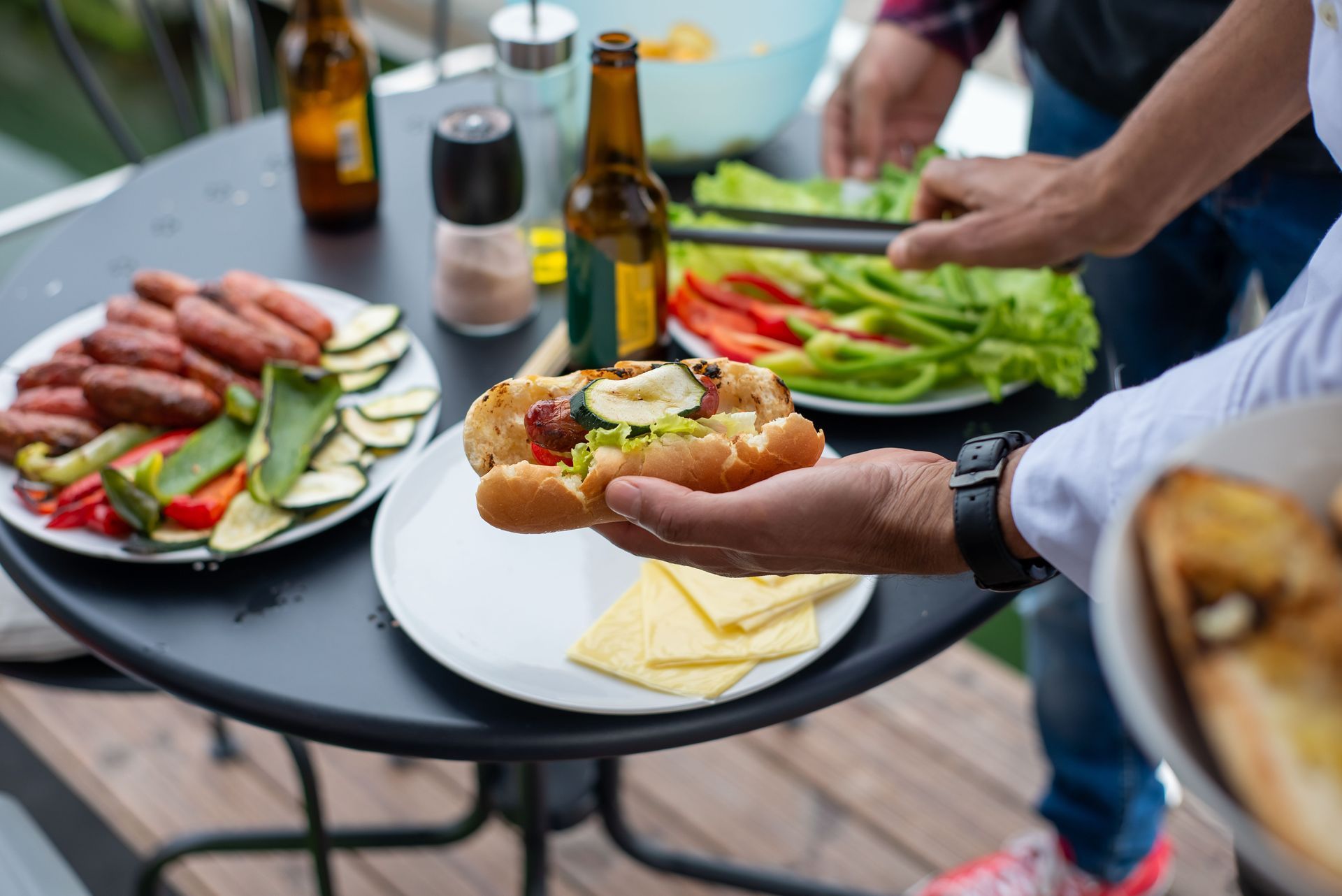
Summer is built around food..
Cookouts. Vacations. Beach trips. Weddings. Baseball games. Drinks on the patio. Random plans that turn into dinner out. Food is part of how we connect, celebrate, and spend time with people we care about. That is not a problem that needs to be fixed. The problem usually starts when we convince ourselves we only have two options:
Stay completely strict and miss out
or
Say “screw it” and abandon everything
There is a lot of space between those two extremes. You can enjoy a burger, have a drink, eat dessert, and still make progress. You can go out to dinner without tracking every bite. You can also take a vacation without turning it into a week-long eating contest.
The goal is not to avoid social eating. The goal is to learn how to participate without losing control of the habits that help you feel your best. That requires both structure and flexibility. A nutrition plan that only works when you are home, following a perfect schedule, and preparing every meal yourself is not a very useful plan. Real progress has to survive real life.
One Meal Is Not the Problem
One cookout will not ruin your progress. One dinner out will not undo months of consistency. One dessert is not powerful enough to erase all the work you have put in.
What creates problems is when one meal turns into a full weekend, then a full week, followed by, “I’ll get back on track later.” The meal is usually not the issue. The reaction is.
People eat more than they planned, decide the day is already ruined, and continue eating without much thought. Then guilt kicks in, which leads to restriction, skipped meals, or punishment workouts. Instead of labeling a social meal as a failure, let it be what it was: a meal. Enjoy it, accept that it may have been different from your normal routine, and move forward. You do not need to burn it off. You do not need to skip breakfast the next morning. You do not need to earn your food with an extra workout. You just need to continue.
Here are a few strategies to allow you to enjoy smartly.
Don’t Arrive Starving
One of the most common social-eating mistakes happens before the event even begins. Arriving at the event hungry. They eat quickly, snack without thinking, and blow past the point of feeling satisfied. Then they feel guilty, even though overeating was a predictable response to being under-fueled all day. That is not a lack of discipline. That is your body doing exactly what it is designed to do when food finally becomes available.
Eat normally before you go. Have a real breakfast. Eat lunch. Include protein, fiber, and enough food to keep your energy steady. You do not need to show up completely full, but you should not show up desperate. A small meal or snack beforehand can also help if the event is later than your usual eating time. Greek yogurt and fruit, turkey and cheese, eggs and toast, or even leftovers from lunch can take the edge off. Hunger makes everything feel urgent. Being properly fueled gives you a choice.
Keep the Day Normal
A social event does not need to turn your entire day into chaos. Try using a normal day, flexible meal approach.
Eat your usual meals earlier in the day. Drink water. Move your body. Then allow the social meal to be the flexible part.
For example, you might eat a solid breakfast, have a balanced lunch, and then enjoy whatever sounds good at the cookout. This is much more sustainable than restricting all day. It is also better than deciding the entire day “doesn’t count” because you know dinner will be different.
Your normal habits create room for flexibility. That is what balance actually looks like. It is not eating perfectly at every meal. It is having enough structure that one flexible meal does not throw everything off.
Be Choosy, Not Restrictive
Social events often come with a lot of food simply because it is there. Chips, cookies, three different dips, several side dishes, and food constantly being passed around. It is easy to take a little of everything without deciding what you actually want.
Before filling your plate, ask, “What am I genuinely excited to eat?” Maybe it is the burger. Maybe it is your family’s potato salad. Maybe it is a dessert you only have once a year. Choose the foods that are worth it to you and enjoy them.
You do not need to eat every option just because it is available. You also do not need to avoid your favorite foods because they do not fit a perfect plan. Being intentional is different from being restrictive.
Restriction says, “I’m not allowed to have that.” Intention says, “I can have it. I’m deciding whether I actually want it.”
That small shift helps you enjoy social food without feeling controlled by it.
Build a Plate and Step Away
Mindless grazing adds up quickly because it never feels like a full eating occasion. None of it feels like much because you never see it together. A simple fix is to build a plate and step away from the food. Include a protein source. Add some fruit, vegetables, or another source of color. Pick the sides you genuinely want. Then sit down and eat.
This is not about creating a mathematically perfect plate. It is about seeing what you are eating and giving yourself the opportunity to enjoy it. After you finish, pause before going back. Give yourself a few minutes and ask whether you are still physically hungry or simply continuing because the food is available and everyone else is eating. Sometimes you will want more. That is okay. The important part is making it a decision instead of an automatic reaction.
Slow Down Enough to Enjoy It
Social events are distracting. You are talking, laughing, watching kids, listening to music, or moving around. It is easy to finish a plate without really noticing that you ate it. Eating quickly makes it harder to recognize when you are becoming satisfied. By the time your brain catches up, you may already feel overly full.
Slow down enough to actually taste your food. Talk between bites. Put your plate down occasionally. Notice when the food stops tasting quite as good as it did at the beginning. That is often a sign that satisfaction is catching up.
The goal is not to leave hungry. The goal is to finish feeling good enough to continue enjoying the event instead of needing to lie down afterward. You should be able to enjoy your meal and still feel like yourself when it is over.
Be Intentional With Alcohol
Alcohol can fit into a healthy lifestyle, but it affects more than your calorie intake. Alcohol can lower your ability to make intentional food choices. It can affect hydration, sleep quality, recovery, mood, and how you feel the following day.
That does not mean you should never drink. It means drinking should be a decision, not the automatic starting point of every social event.
Eat a real meal instead of drinking on an empty stomach. Have water along the way. Decide whether you actually want another drink instead of refilling your glass out of habit. It also helps to consider the full tradeoff. The question is not only,
“How many calories are in this?” It is also, “How do I want to feel later tonight and tomorrow morning?”
Sometimes the drink is worth it. Sometimes you would rather sleep well, train the next morning, or feel clear-headed. Both decisions are completely fine when they are made intentionally.
Don’t Panic About the Scale
After a restaurant meal, vacation, or cookout, the scale may go up. That does not automatically mean you gained body fat. Social meals are often higher in sodium and carbohydrates. You may eat later than usual, drink alcohol, sleep less, or simply have more food sitting in your digestive system. All of those things can temporarily increase your body weight.
The worst response is to panic and immediately start restricting. Skipping meals and cutting out carbohydrates usually keeps the cycle going and makes you feel worse. Return to your normal meals. Drink water. Get some sleep. Move your body. Give things a few days to settle.
Progress should be measured over weeks and months, not by the number you see the morning after a cookout.
The Next Meal Rule
One of the most valuable skills you can develop is learning how to return to normal quickly.
Had more food than you planned at dinner? Eat a normal breakfast.
Drank more than you wanted? Hydrate, eat something balanced, and take a walk.
Went away for the weekend? Unpack, go grocery shopping, and return to your routine.
Do not make the reset dramatic. The bigger you make it, the harder it becomes. There is no cleanse required. No punishment. No need to wait for the perfect day. Progress is not about never getting off track. It is about not staying off track for very long.
Social Health Matters Too
Health is not only about calories, body composition, and workout scores. Relationships matter. Laughter matters. Celebrations matter. Spending time with people you care about supports your mental and emotional health, even when the meal is not perfectly balanced. You should not have to isolate yourself to reach your goals.
A good nutrition plan should help you live your life. It should not make your life smaller. The goal is to build enough structure that you can enjoy flexibility without feeling like everything is falling apart. That takes practice.
Some events will go better than others. Sometimes you will eat more than you intended. Sometimes you will feel great about your choices. That is part of learning. You are building a skill, not passing a test.
Final Thought
Progress isn't built by avoiding every social event or eating perfectly at every meal. It's built by what you do most of the time—and by refusing to let one meal become a reason to quit.
If finding that balance feels harder than it should, you don't have to figure it out alone. Our Nutrition & Accountability Coaching program is designed for real life—not perfection. Whether your goal is to lose weight, improve your performance, or simply build healthier habits that last, we'll help you create a plan that fits your lifestyle and provide the accountability to keep you moving forward.
Because the goal isn't to eat perfectly. The goal is to build habits you can stick with for life.
MORE RECENT POSTS