If CFE is your regular “third space”
1 and you’re paying attention, you’ll hear reference made to some portion of the fundamental CrossFit® charter of “mechanics, consistency, and intensity” at least once a dozen times a week. Consistency really is the secret sauce to incremental improvement – regardless of the specifics of your goal. With the common cold, influenza, RSV, and COVID-19 here to stay, should you workout when sick? For the committed, taking a break from physical activities for illness can feel frustrating. Will your gains vanish if you break your attendance streak (#CFECommittedClub) for illness? There are a couple considerations here that can help you make a smart decision for yourself (and your gym friends).
What does exercise do for our immune systems?
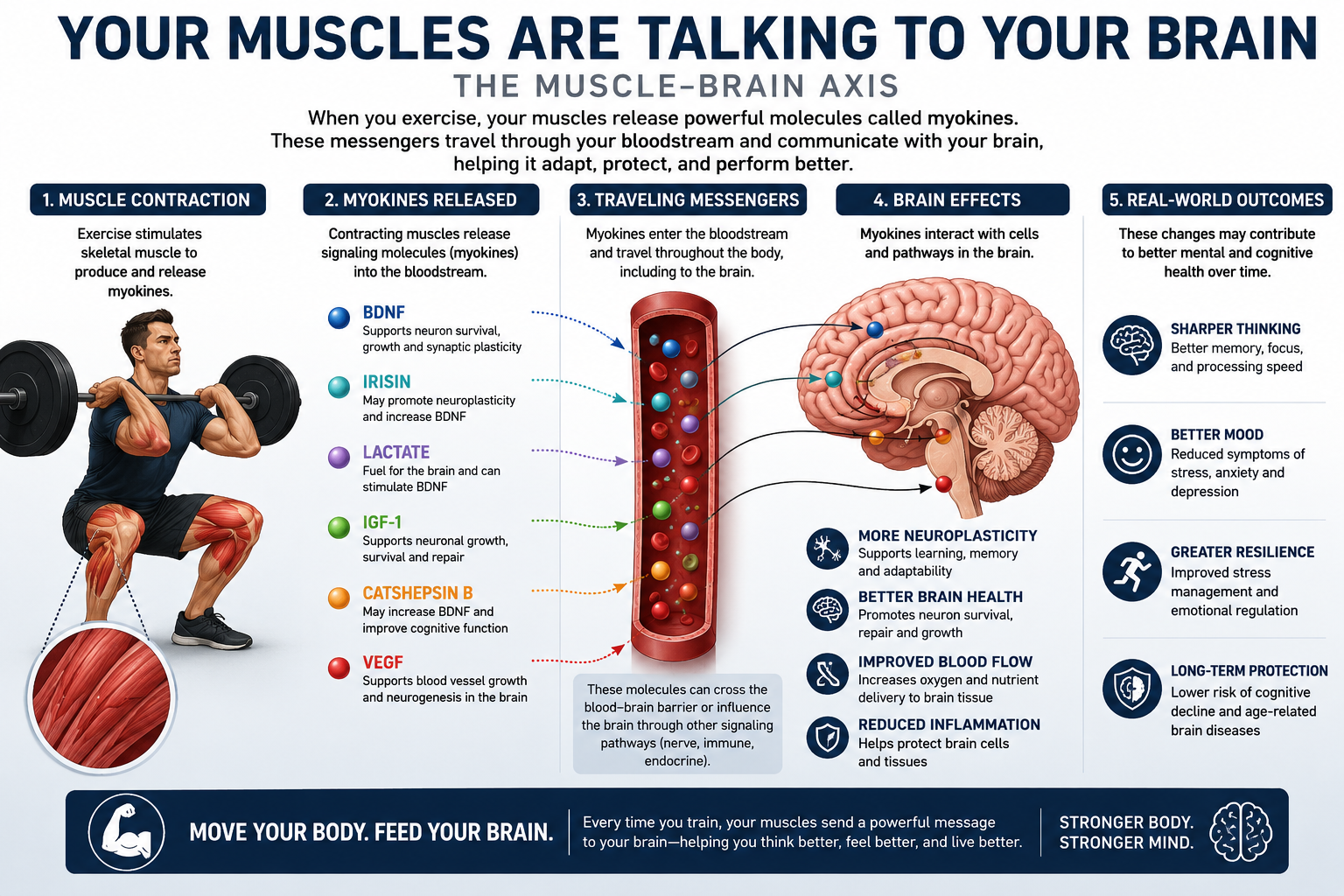
Regular exercise supports our immune system through many cellular pathways. Physical activity boosts blood flow and better circulates immune cells in the body to patrol for invading organisms. Exercise reduces chronic inflammation and boosts antibody production. A good workout improves your sleep quality. All told, regular exercise improves many modifiable risk factors associated with cardiovascular disease, metabolic disease, cancer, and dementia.
That said, intense exercise when acutely ill can do more harm than good. When sick, your body is already working hard to regulate your temperature, deliver oxygen, and conduct mortal combat with the invading virus. Fever (typically over 100.4oF), sweating, and lack of appetite can also put you at increased risk for dehydration. Assuming no fever and no need for fever-reducing medications in 24 hours, when is it ok to get back on the consistency bus?
The Above-the-Neck Rule
This is a general guideline for deciding whether to exercise when sick. If your symptoms are improving and confined to above the neck (i.e. head cold), it may be reasonable to try. Movement and modification are the rules of the road here. This is not the time for big systemic loads (PR attempts) that spike your heartrate, increase intraabdominal pressure, or require explosiveness (Oly lifts). Listen to your body. Prioritize blood flow, motion, and mobility. Intense effort too early in recovery can set you up for symptom relapse 24-48 hours later.
When sharing is not caring
For acute respiratory infections, the main mode of transmission is contact with droplets containing viral particles deposited on surfaces through the cough or sneeze of an infected person. The incubation period is usually 2-14 days, and you may be contagious to others before you start to feel sick yourself. All to say,
cover your coughs/sneezes, wipe down your CFE equipment after use, and wash your hands…a lot! It’s not too late in the season for vaccines. Even if not a perfect match for circulating strains (looking at you, influenza), vaccines still prime your immune system to prevent severe disease should you get infected. They also help you protect loved ones who are too young (< 6 months of age) to receive seasonal respiratory vaccines or the health compromised/eldery.
You play a vital role in keeping our community healthy. Let’s do our part. See you at the gym!
Written by Jen Kicker, M.D. Disclamer by Dr. Kicker: The views expressed are my own and do not reflect the official policy of the Department of War, the Defense Health Agency, or the U.S. Government. This article is general information and for educational purposes only. It does not constitute medical advice or the establishment of a physician-patient relationship.
1.
https://www.inc.com/bryan-elliott/welcome-to-the-wellness-era-gyms-are-the-new-third-space/91108122