Sleep Isn’t Lazy
—It’s Your Competitive Advantage
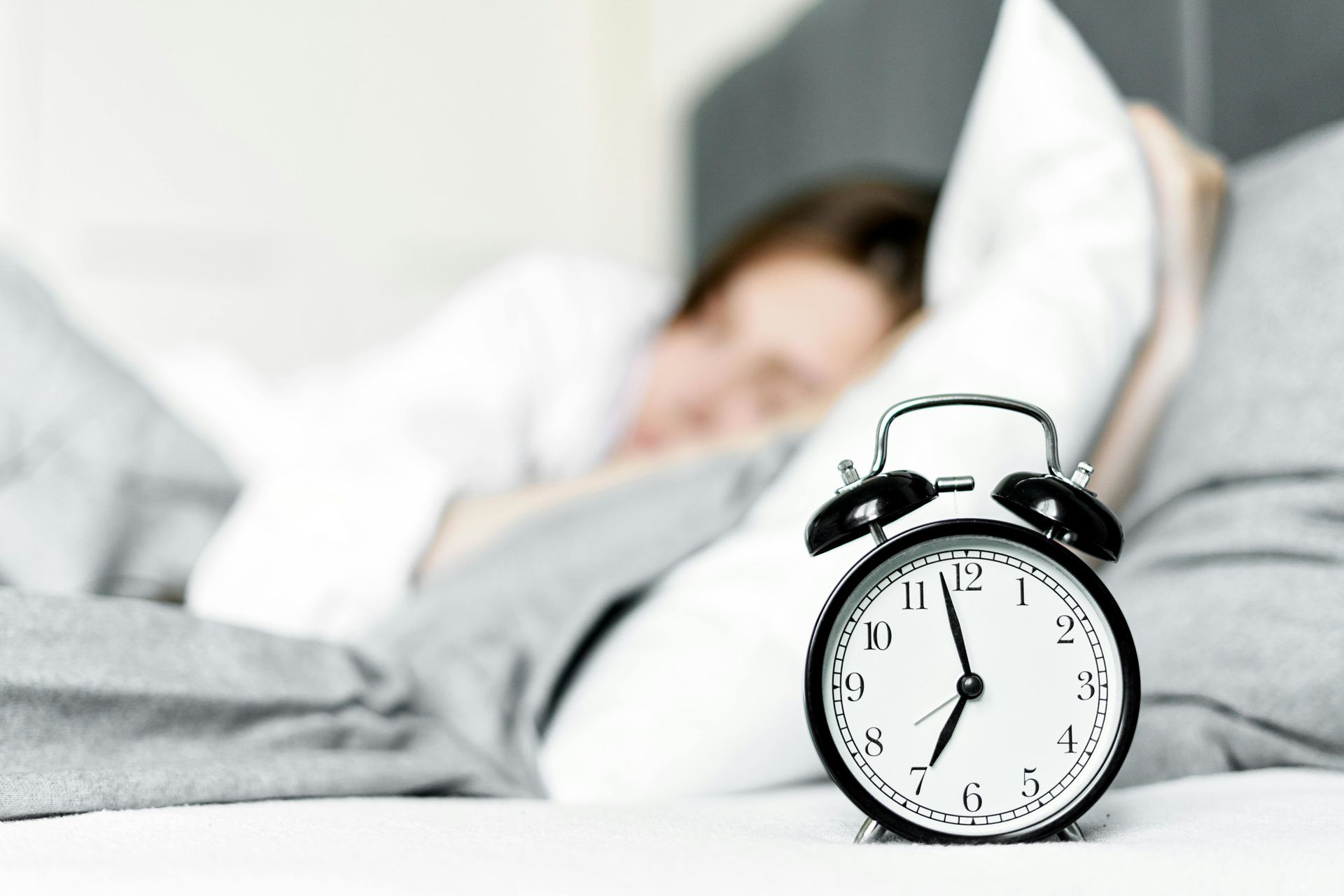
In the U.S., being “busy” is often worn like a badge of honor. We celebrate early mornings, late nights, and pushing through exhaustion. Saying you only slept a few hours can sound like commitment. Admitting you took a nap? That can feel like weakness. But when it comes to your health, fitness, and performance, this mindset is costing you more than you think.
Sleep is not a luxury—it’s one of the most powerful recovery tools you have. When you train hard, whether it’s lifting, conditioning, or high-intensity workouts, your body doesn’t actually adapt during the workout itself. The real progress happens afterward, during recovery. And the most important time for that recovery is when you’re asleep.
Sleep is when your muscles repair and rebuild, when key hormones are released, and when your brain processes movement patterns and coordination. Cut your sleep short, and you’re cutting into all of that. Over time, that shows up as slower recovery, reduced strength and power, decreased endurance, and a higher risk of injury. It also impacts metabolism and hormone balance, making it harder to see the results you’re working for.
Despite this, a lot of common beliefs about sleep continue to stick around. One of the biggest is the idea that you can just “catch up” on sleep over the weekend. While sleeping in might make you feel a little better in the moment, it doesn’t fully undo the effects of several nights of poor sleep. In fact, constantly shifting your sleep schedule can throw off your internal clock, making it harder to fall asleep and wake up consistently during the week. What your body actually responds best to is consistency—going to bed and waking up at roughly the same time each day.
Another common belief is that some people just don’t need much sleep. While there are rare exceptions, the vast majority of adults need somewhere between seven and nine hours per night to function and recover well. Many people who claim they’ve adapted to less sleep have really just adapted to operating at a lower level—something that can show up in subtle ways like slower reaction time, poorer decision-making, and reduced performance in the gym.
Naps also tend to get a bad reputation, as if they’re a sign of laziness. In reality, a short nap can be a powerful tool. Even 20 to 30 minutes can improve alertness, mood, and performance, especially if your sleep the night before wasn’t ideal. Used strategically, naps can support your training, not take away from it.
There’s also the idea that anything that helps you “fall asleep” must be good for sleep. Alcohol is a common example. While it might make you feel drowsy and help you fall asleep faster, it disrupts the deeper stages of sleep that are most important for recovery. You may spend more time in bed, but the quality of that sleep is lower, and your body doesn’t get the same benefit. Even the way we wind down at night can work against us. Scrolling on your phone or watching TV might feel relaxing, but the light from screens can interfere with your body’s ability to produce melatonin, making it harder to fall asleep and reducing overall sleep quality. What feels like a way to relax can actually be delaying the recovery your body needs.
When you step back and look at the bigger picture, sleep touches almost everything. It affects how well you recover from workouts, how your body regulates hormones, how clearly you think, and how your metabolism functions. If you’re putting time and effort into training and nutrition but ignoring sleep, you’re missing a major piece of the puzzle. The bottom line is simple: you can’t out-train poor sleep.
Sleep isn’t a weakness, and it’s not something to squeeze in when everything else is done. It’s the time when your body actually adapts to the work you’ve put in. Prioritizing it doesn’t mean you’re doing less—it means you’re setting yourself up to perform better, recover faster, and make real progress over time.
If anything, sleep isn’t something holding you back. It’s one of the biggest advantages you can give yourself.
MORE RECENT POSTS